Causes of Irritable Bowel Syndrome and How to Treat It
What Are the Causes, Problems, and Treatment Methods for Irritable Bowel Syndrome? :.
Irritable Bowel Syndrome and Its Problems:
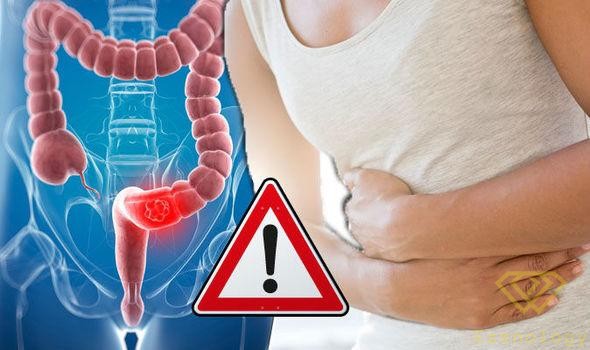
Irritable Bowel Syndrome (IBS) is one of the conditions that causes significant confusion and constant discomfort for those who suffer from it.
To this day, there is no specific, clearly identified cause for its occurrence, which has given room for various beliefs and theories about why people develop it.
Causes of Developing “Irritable Bowel Syndrome”:
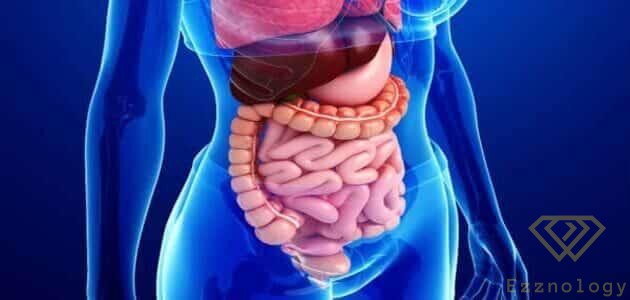
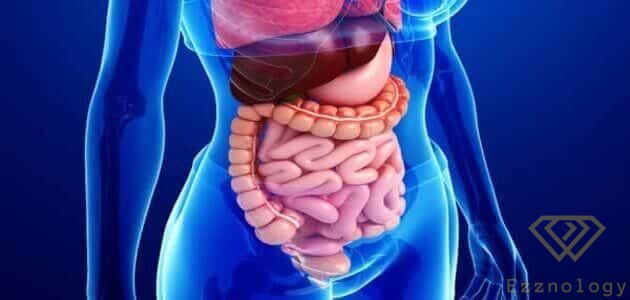
The causes can be summarized as an inefficiency of the intestines or their inability to function properly, leading to abnormal contraction and relaxation,
and it is also possible that the cause is sensitivity of the intestines,
and the stomach to certain foods, such as dairy products and legumes, in addition to foods rich in hot spices,
It is also suggested that another belief holds that the cause is hypersensitivity in the intestinal nerves, which causes irritation in the area
and its surroundings, leading to the appearance of bothersome symptoms.
The Difference Between IBS and H. Pylori (Stomach Bacteria):
The symptoms of Irritable Bowel Syndrome differ, as the symptoms and their intensity vary from one person to another.
Their severity differs from one person to the next.
The Common Symptoms of Irritable Bowel Syndrome Include the Following:
1- Intestinal bloating.
2- Stomach and intestinal pain.
3- Diarrhea or constipation, or both occurring one after the other.
4- The presence of mucus in the stool on some occasions.
5- Psychological instability in the patient.
6- And sometimes feeling depressed and uncomfortable.
When It Comes to Stomach Bacteria (H. Pylori), the Symptoms Are:
Stomach bacteria; infection is the result of a bacterial infection called (Helicobacterpylori),
and this bacterium, which has puzzled many doctors and scientists, can grow inside the digestive system without causing any symptoms in the infected person,
and in other cases the infected patient may suffer from symptoms including:-
Nausea or vomiting, and sometimes gas and bloating,
and loss of appetite along with weight loss,
and this bacterium can enter the body and live in the digestive tracts, remaining there for several years,
but unfortunately, over time it may cause an ulcer in the stomach or in the upper part of the small intestine,
and in some cases this bacterium may lead to stomach cancer if left untreated and neglected.
There Is Also a Difference Between the Causes of Contracting “Irritable Bowel Syndrome” and Stomach Bacteria:
As for contracting “Irritable Bowel Syndrome,” to this day there is no clear scientific reason for its causes,
but it is possible to explain what may worsen the symptoms of Irritable Bowel Syndrome:-
Muscle Contractions Inside the Intestines:
- Muscle contractions inside the intestines work to move food and help digest it,
- if intestinal movement is slow due to weak intestinal muscle contractions, causing the food to move slowly, it leads to constipation,
- and excessive intestinal muscle contractions lead to increased food movement and digestion, causing bloating and diarrhea.
Exposure to Stress at an Early Age:
- People who are exposed to stress and anxiety at an early age and during adolescence
are at a greater risk of developing Irritable Bowel Syndrome later in life.
The Nervous System:
Nerve signals between the brain and the digestive tracts play an important role in the relaxation and contraction of the stomach,
therefore, if there is a dysfunction in the coordination between the nervous system and the digestive tract,
this leads to an excessive reaction from the digestive system, causing unwanted symptoms.
Foods:
The relationship between the food consumed by the patient and Irritable Bowel Syndrome is not yet fully understood, as there are certain foods
that worsen the symptoms of Irritable Bowel Syndrome, such as wheat, dairy products, legumes, milk, and cabbage.
Causes of Stomach Bacteria (H. Pylori):
As previously discussed, the cause is a bacterial infection by H. Pylori, which enters the body through:-
– Contaminated foods and beverages
- Transmission from person to person through saliva
For these reasons, please follow these guidelines to avoid infection with stomach bacteria and limit its spread:
- Wash hands before eating and after using the bathroom. - Drink only clean, safe, and sterilized water.
- Eat foods that were prepared under health supervision.
The Best Proven Treatment for Irritable Bowel Syndrome:
When discussing the best effective treatment methods that can help the symptoms disappear, they are:
- If the patient suffers from constipation, they must take laxatives that help relieve it.
- But if the patient suffers from diarrhea, they should take medications that stop and treat it.
- IBS patients should also consume beneficial foods rich in fiber, such as vegetables and fruits.
- They should completely avoid eating spicy meals, foods rich in fat, and dairy products.
- They must also completely avoid smoking and drinking alcohol.
- Drink a large amount of fluids throughout the day, most importantly water.
- Drinking some herbal plant-based beverages also helps in treatment, such as ginger and flaxseed.
- The doctor may also prescribe some dietary supplements that help in treatment.
- Some antidepressants can also be used if the condition requires it, but under the supervision of the treating physician. - We also add to that taking probiotics,
which are several types of beneficial bacteria essential for the health of the stomach and intestines that work to improve the patient’s condition,
and ensure the digestive system functions with high efficiency.
– Antispasmodic medications that reduce abdominal pain.
- In cases of severe symptoms, the doctor prescribes pain relievers that work to reduce abdominal pain.