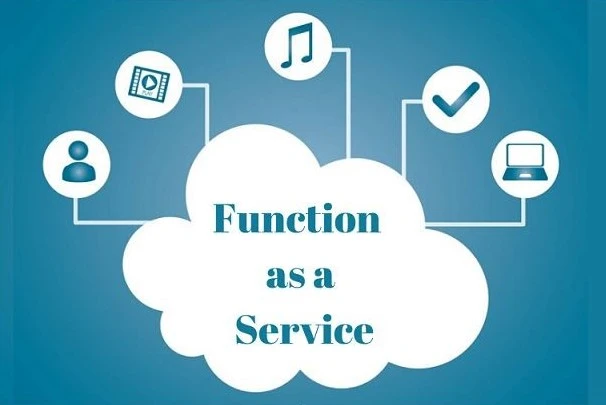
FaaS is a serverless backend service that allows developers to quickly write modular pieces of code that can be executed in response to specific events.
What is Function as a Service?
Function as a Service (FaaS) is a serverless way to execute modular pieces of code at the edge. FaaS allows developers to write and instantly update a piece of code, which can then be executed in response to an event, such as a user clicking on an element in a web application. This makes it easy to scale code and is a cost-effective way to implement microservices.
Also:
What are Microservices?
If a web application were a work of visual art, using a microservices architecture would be like creating the art from a collection of mosaic tiles. The artist can easily add, replace, and fix one tile at a time. A monolithic architecture might be like painting the entire work on a single canvas.
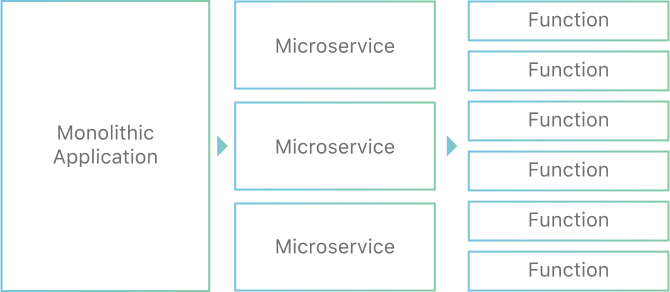
This approach to building an application from a set of modular components is known as microservice architecture. Breaking an application into microservices is attractive to developers because it means they can create and modify small pieces of code that can easily be executed within their codebases. This is in contrast to monolithic architecture, where all the code is merged into one large system. With large monolithic systems, even minor changes to the application require a massive deployment process. FaaS eliminates this deployment complexity.
By using serverless code like FaaS, web developers can focus on writing application code, while the serverless provider takes care of server provisioning and backend services.
What are the Advantages of Using FaaS?
Improved Developer Velocity
With FaaS, developers can spend more time writing application logic and less time worrying about servers and deployments. This typically means a faster development turnaround.
Built-in Scalability
Because FaaS code is inherently scalable, there is no need to worry about creating contingency plans for high traffic or heavy usage. The serverless provider will handle all scaling concerns.
Cost Efficiency
Unlike traditional cloud service providers, serverless FaaS providers do not charge their customers for idle compute time. For this reason, customers pay only for the compute time they actually use and do not need to waste money over-provisioning cloud resources.
Also:
What are the Disadvantages of FaaS?
Less System Control
Having a third party manage part of the infrastructure makes it harder to understand the overall system and adds debugging challenges.
Also:
More Complexity Required for Testing
Integrating FaaS code into a local testing environment can be very difficult, making comprehensive application testing a more intensive task.
And Now:
How to Get Started with FaaS
Developers must establish a relationship with a serverless provider to enable FaaS functionality for a web application. Because FaaS integration means that some application code will be delivered from the edge, the availability and geographic distribution of edge servers is an important consideration. A user in Italy accessing a site that relies on FaaS edge code being served from an overloaded data center in Brazil will experience the kind of latency that leads to high bounce rates.