Microsoft Already Launches the New Microsoft Bing with Integrated ChatGPT — A Real Blow to Google
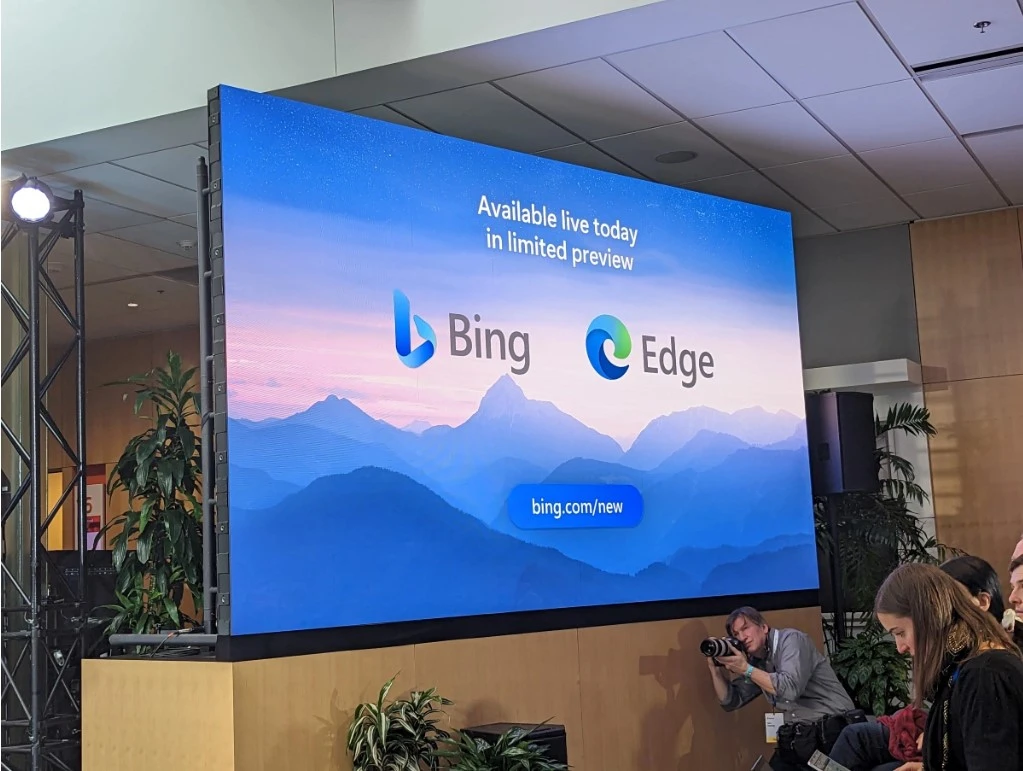
Microsoft CEO Satya Nadella said today: “It’s a new day for search”. For 13 years now, Microsoft has tried to get you to use Bing, but you didn’t want to, so its global market share has remained in the low single digits. Now, the company is pulling out all the stops in an attempt to better compete with Google. Today, at a press event in Redmond, Washington, Microsoft announced its long-rumored integration of OpenAI’s GPT-4 model into Bing, providing a ChatGPT-like experience within the search engine.
The company is also launching a new version of its Edge browser today, with new AI features built into the sidebar.
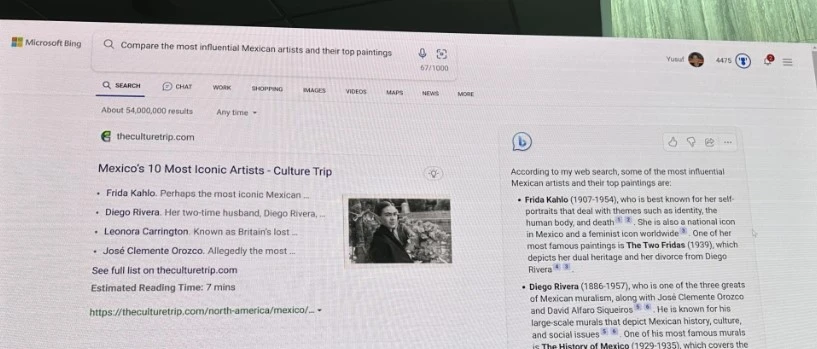
The new experience is now live on Bing, but it is still somewhat limited. To get the full experience, you must join the waitlist.
As expected, the new Bing now features a start-a-chat option in its toolbar, which then takes you to a ChatGPT-like conversational experience. One key point to note here is that while OpenAI’s ChatGPT bot was trained on data covering only up to 2021, the Bing version is more up to date and can handle queries about more recent events (think today, not 2021).
Also:
As Microsoft CEO Satya Nadella noted, the team wants to remain faithful to its AI principles and acknowledged that, as with every new technology, it is important to stay aware of potential negative consequences. He said: “It’s also about being transparent about the unintended consequences of any new technology”. He affirmed that Microsoft wants to use technology that enhances human productivity and aligns with human values.
Nadella noted that he believes this technology will reshape “nearly every software category” and stressed that technology like this has the potential to reshape the web. In his view, every computer interaction in the future will be mediated through an agent. The first phase of this, at least for Microsoft, is search.
Also:
As Microsoft’s Yusuf Mehdi noted, current search engines still work well with navigational queries and those informational ones that ask for basic facts. But for more complex search requests (“Can you recommend a five-day itinerary for Mexico City?”), which make up half of today’s queries, modern search engines fail.
For the new Bing experiences, Microsoft will display these GPT-based results in a box on the right side of the search results page. These will appear when searching for facts that Bing knows the answer to.
But there is also a ChatGPT-like experience for more ambiguous questions that don’t have a precise answer. The only other key difference you’ll likely notice right away is that Bing will sometimes try to prompt you with its own questions as well, suggesting possible answers to those questions. Microsoft’s model is clearly more up to date compared to what ChatGPT currently offers. This includes pricing data, for example, or the ability to use current data for travel advice and trip itineraries – and it will also be happy to write you an email to share that itinerary with your family.
Also:
Another important feature here – and one I think we’ll see in most of these tools – is that Bing cites its sources and links to them in a “Learn More” section at the end of its answers. Every result will also include a feedback option.
It is also worth emphasizing that the old link-based version of Bing is not going away. You can still use it exactly as before, but now enhanced with AI.
Microsoft Already Launches the New Microsoft Bing with Integrated ChatGPT — A Real Blow to Google
Microsoft confirmed that it is using a new version of GPT capable of delivering more relevant answers, commenting on them, and providing up-to-date results, all while providing a safer user experience. This is called the Prometheus model. What Microsoft is essentially doing here is taking OpenAI models and then wrapping Prometheus and other Bing technologies around them.
It is clear that Microsoft has a very close relationship with OpenAI. After its initial investment of one billion dollars, the company recently announced that it would invest more and expand its partnership with OpenAI, which in turn led to today’s announcement. And while Bing has always been a competent search engine (and arguably better than most people gave it credit for), it never gained mainstream traction. It was always good enough, but that doesn’t give users a reason to switch. ChatGPT may provide that reason – at least until Google rolls out its competitor to a wider audience.
Also:
Currently, there are no ads tied to the chat feature of ChatGPT’s functionality in the new Bing, but Microsoft indicated that it will monetize these capabilities through advertising. Correction: For some queries, including those related to shopping, the chat feature will display ads.
Unlike Google, Microsoft does not have a massive advertising empire to protect, so the company is likely willing to sacrifice some revenue in order to gain market share from Google, which announced its competitor Bard yesterday. However, Google did not provide many details about how Bard works and how it will be integrated into its search experience. For now, it is only available to a select group of trusted testers.
Also:
What all of this means for the future of the web and the financial health of online publishers who depend on people clicking their links remains to be seen. Nevertheless, it is very likely that tools like these will lead to fewer clicks and therefore reduced advertising dollars for publishers. This has the potential to bring about an enormous paradigm shift.