Microsoft Ends the Legend of the Blue Screen of Death
Farewell to the Blue Screen of Death.. Microsoft Closes a 40-Year Chapter in Windows 11
Microsoft Ends the Era of the “Blue Screen of Death” with the New Windows 11 Update
In a move considered one of the most notable visual changes in the history of the Windows operating system, Microsoft announced the retirement of the famous screen known as the “Blue Screen of Death” (Blue Screen of Death – BSOD), which has been a symbol of system crashes for more than 40 years.
The End of a Legendary Crash Symbol
The “Blue Screen of Death” has long been associated by users with a grim error message that appears when a serious fault occurs in the operating system, causing a sudden and complete shutdown of the device as a protective measure to guard data or hardware components from damage. Over time, this screen became one of the most iconic symbols in the history of computing, and even transformed into something resembling a “tech phobia” for many users.
Transition to the “Black Screen” in Windows 11
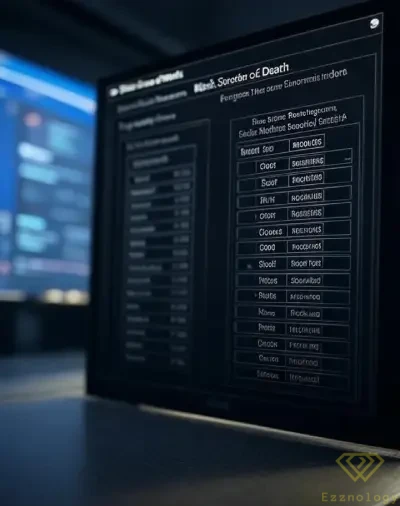
With the upcoming new update to Windows 11, expected to be released later this summer, the blue error screen will be replaced by the “Black Screen of Death“, in a move that reflects Microsoft's new vision toward a simpler and more professional design.
Simplifying the Error Interface.. with a Modern Touch
The change is not limited to color alone; it also includes the removal of some elements that were previously displayed, such as:
-
The Sad Face (☹️)
-
The QR Code
-
The Classic Text Layout
This update aims to simplify the user experience during crashes, and to present a warning screen that is clearer and more consistent with the overall visual style of Windows 11.
Behind the Decision
This step comes as part of Microsoft's strategy to modernize the entire system interface and align it with the contemporary user experience, which focuses on visual calm, reducing stress when errors appear, and achieving a cohesive design that extends even to error messages themselves.
Faster Diagnosis and More Effective Response
According to Microsoft, the “Black Screen of Death“ will provide clearer technical information to users, where Stop Codes and the names of programs or drivers causing the crash will be displayed directly on the screen, allowing IT administrators to identify the source of the problem quickly without needing to dive into analyzing dump files using advanced tools such as WinDbg.
This simplification not only serves individual users, but also enhances the ability of companies and organizations to handle crashes effectively and reduce downtime resulting from operating system issues.
“Quick Recovery”: A Smart Response to Critical Crashes
In addition to changing the screen color, Microsoft intends to launch a new feature called “Quick Machine Recovery”, a technology designed specifically to handle devices that suffer critical crashes preventing them from booting.
This feature relies on intelligent system recovery mechanisms without requiring a full reset, which helps reduce data loss and shorten the time needed to restore the device to its normal state.
Strengthening Stability After the CrowdStrike Incident
These updates come as part of a comprehensive Microsoft initiative to enhance Windows system stability, particularly in the aftermath of the notable CrowdStrike incident that occurred last year and affected millions of devices around the world, causing the “Blue Screen of Death” to appear at boot across various sectors, from healthcare to aviation.
That incident exposed weaknesses in recovery tools during mass crash scenarios, prompting Microsoft to rethink how to design the system to be more resilient and responsive to crises.
A Visual Farewell to an Old Era, and a Step Toward a More Reliable Experience
Although changing the color of the error screen may seem like a minor detail, it reflects a deeper shift in Microsoft's philosophy toward system design: improving clarity, accelerating diagnosis, and reducing the dread that accompanies critical crashes.
With the introduction of features like “Quick Recovery”, Microsoft is moving forward toward making Windows more stable and resilient in both work environments and personal use, which is what millions of devices around the world are waiting for.