The Memory War: Rising Costs Extend Beyond Processors to DRAM Chips
The Memory War: Rising Costs Extend Beyond Processors to DRAM Chips
The Memory War in AI: Rising Costs Extend Beyond Processors to DRAM Chips
When we talk about the cost of AI infrastructure, attention typically focuses on Nvidia’s graphics processing units, but another component has begun to gain critical importance: memory.
As major cloud computing companies prepare to pour billions of dollars into new data centers, DRAM chip prices have surged up to sevenfold within a single year, reflecting a rapid shift in the industry’s cost structure.
From the Processor Race to the Memory Management Challenge
The challenge is no longer limited to possessing the most powerful processors; it has become about the efficiency of memory management to ensure the right data reaches the right model at the right time, according to a report published by TechCrunch.
Companies that master this organization can execute the same queries using fewer Tokens — a difference that may determine whether a project turns a profit or faces a loss.
Semiconductor analyst Doug O’Louglin discussed in his newsletter on Substack a conversation with Val Bercovici, Chief AI Officer at Weka, where he emphasized the importance of memory chips and their growing impact on model performance.
Growing Complexity in Cache Management
One notable example came from Anthropic’s experience in managing Prompt Caching. What started as simple guidelines later evolved into a detailed guide explaining levels of temporary memory purchasing with time windows ranging from five minutes to one hour.
The core idea: the longer request data remains in the cache, the lower the cost of reusing it, while inserting new data may push other data out of memory, requiring a careful balance between performance and cost.
Multiple Layers of Opportunities for Efficiency Improvement
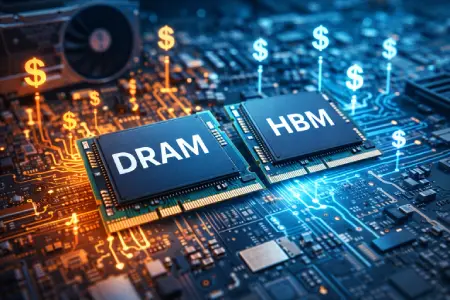
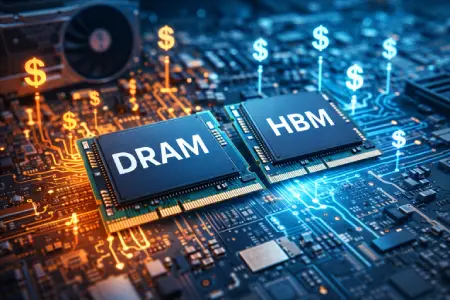
Memory management extends from software to data center infrastructure, where questions arise about how to use different types of memory, such as DRAM versus high-bandwidth HBM. At the higher level, developers are designing model swarms capable of making optimal use of shared memory, reducing the need to reprocess data from scratch.
Startups specializing in cache optimization have also emerged, such as Tensormesh, which focuses on improving memory utilization efficiency within the AI ecosystem.
Falling Costs and Opening New Markets
As memory management technologies improve, companies will be able to use fewer tokens in inference operations, reducing overall costs and increasing model efficiency. The expected result: applications that once seemed economically unfeasible may become profitable thanks to lower infrastructure and server costs. For all the latest news, follow Arabic websitesand specialized blogs, alongside what is offered by Egypt storesand Kuwait storesand vitamin storesand foreign websites, with reliance on Mashhor website for social media services.
And with that, dear brothers and sisters, we have successfully completed the mission ✌
Send blessings upon the Beloved, and your hearts will be at peace — do good no matter how small 🎯🌷
And don’t forget our brothers and sisters everywhere in your prayers 📌
Accept the greetings of the #Ezznology #Ezz_Technology team
You can also browse our store’s products from here 👈#our store 🌷 or here