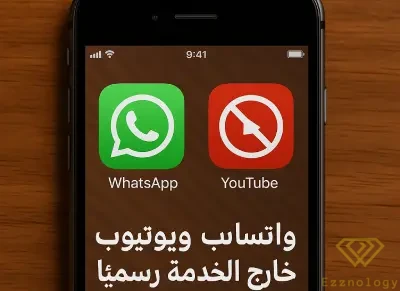
WhatsApp and YouTube Officially Out of Service on Some Older iPhone Models
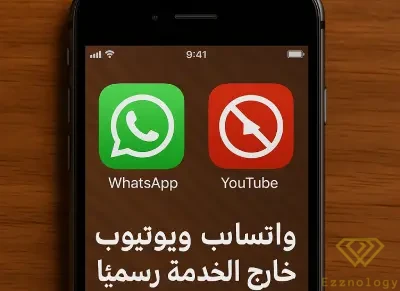
WhatsApp and YouTube Officially Out of Service on Some Older iPhone Models
Google and Meta End Support for YouTube and WhatsApp on Some Older iPhone Devices
Google and Meta have begun applying new technical restrictions that gradually end support for the YouTube and WhatsApp apps on a range of older iPhone devices, posing significant challenges for users who still rely on these models.
Google has released a new update for the YouTube app on iOS bearing version 20.22.1, which now requires a minimum of iOS 16 to run, after previously supporting iOS 15. With this change, the app is no longer compatible with devices such as:
-
iPhone 6s and 6s Plus
-
iPhone 7 and 7 Plus
-
iPhone SE (1st generation)
-
iPod touch (7th generation)
-
iPad Air 2
-
iPad mini 4
Although older versions of the YouTube app still work on these devices, users will no longer receive any future updates or new features, which may negatively impact the user experience, with warnings that the app could stop working entirely at any later time.
The only alternative for these users is to resort to using the web version of YouTube through a browser, but it does not offer the same advanced features provided by the native app, such as automatic caption support or enhanced playback quality.
In the same context, Meta announced the discontinuation of support for the WhatsApp app on iPhone devices running versions older than iOS 15.1, starting from this month of June. Under this decision, WhatsApp no longer works on devices such as:
-
iPhone 5s
-
iPhone 6
-
iPhone 6 Plus
To continue using the app, users will need to upgrade to newer device models, with the ability to easily transfer chats and media to the new phone via WhatsApp's “Chat Transfer” feature, provided a prior backup is made using iCloud.
WhatsApp Officially Arrives on iPad
In a long-awaited move, WhatsApp has officially become available for iPad devices, marking the first time since the app's launch. Technical reports have also revealed that work is underway on developing a dedicated Instagram app for iPad, reflecting Meta's push to expand its presence on Apple tablet devices.
A Natural End to a Long Lifespan
Although some users feel frustrated by the loss of support for these apps, the decision is considered logical given that devices such as the iPhone 6s and iPhone 7 were launched nearly ten years ago, which is a relatively long lifespan in the world of smartphones that evolves at a rapid pace.
Impact of Updates on Users and the Used Phone Market
The recent decisions by Google and Meta do not only affect users of older devices, but their repercussions extend to the used phone market as well, which is booming in many countries, especially middle-income nations. Many users still rely on devices like the iPhone 6 and 7 due to their balance between performance and price.
With these devices falling out of support for essential apps like WhatsApp and YouTube, their market value is expected to gradually decline, which will push users to look for affordable alternatives. This may shift the spotlight onto devices that support iOS 16, such as the iPhone 8 and iPhone SE (2nd generation), as the most suitable option currently in terms of price and technical support.
Lessons Learned for iPhone Users
What has happened serves as an important reminder to iPhone users that a device's lifespan is measured not only by physical performance, but also by software support. Even if devices are running efficiently, the discontinuation of essential apps makes daily use increasingly difficult. Therefore, it is important for users to be aware of the expected software support period before purchasing any new or used device.
Where Are Companies Headed?
This shift in support policies reflects a clear trend from major tech companies toward reducing the burden of supporting older systems, and focusing on enhancing performance, privacy, and security in modern versions. According to technical analyses, dropping support for older systems allows these companies to develop their apps at a faster pace, without needing to accommodate devices that are no longer capable of keeping up with advancements.
What Can Be Expected in the Future?
It is expected that over the next two years we will see more apps and services dropping support for iOS 15 and earlier versions, especially following the anticipated release of iOS 18 at Apple's Worldwide Developers Conference this month. Users are advised to keep up with these updates, not only to improve their experience, but also to ensure they benefit from the highest levels of security and protection.